
How to Use Scarcity and Urgency to Boost Email Conversions

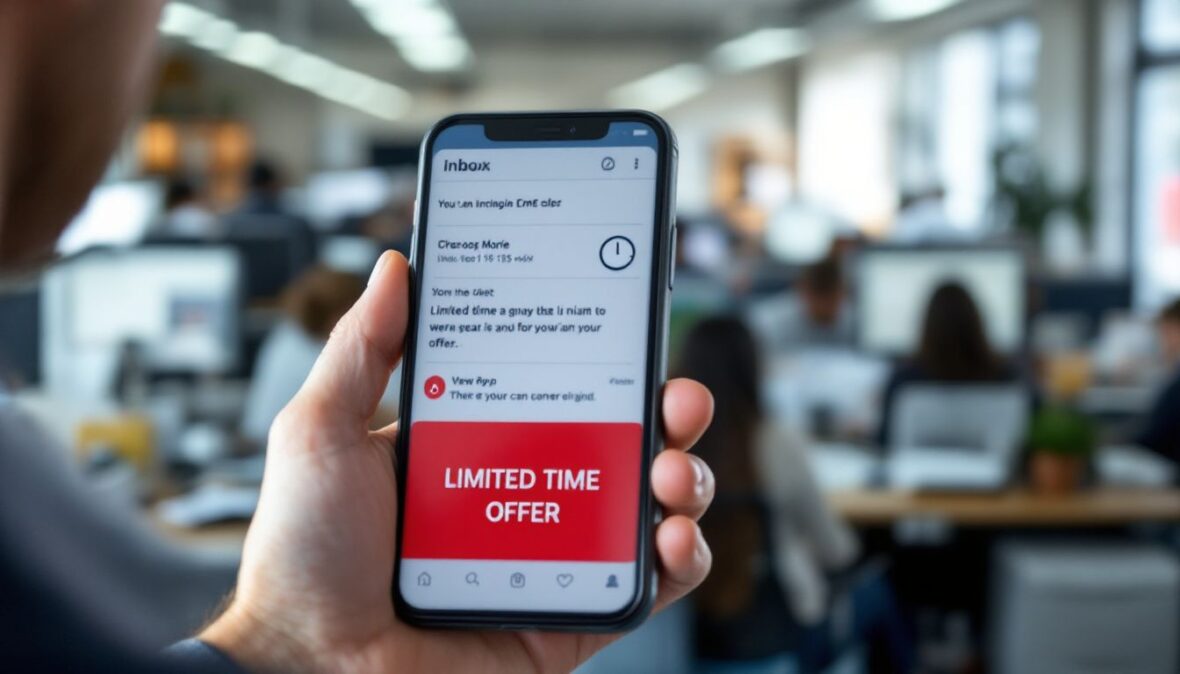
I always wondered why some emails made me click through and buy immediately, while others just sat in my inbox. Then I learned about the power of scarcity and urgency in email marketing.
These tactics tap into our fear of missing out (FOMO) by showing us that an offer won’t last forever, making us want to act fast. By using the right words and crafting compelling calls to action (CTAs), marketers can make their messages feel exclusive and valuable.
This approach not only boosts email open rates but also drives conversions by urging immediate action.
Emails that smartly use scarcity and urgency make products seem more valuable because they appear limited or in high demand. Strategic use of these psychological principles has shown a significant increase in sales, website traffic, and customer engagement for those who master it.
For example, mentioning a sale ends soon or highlighting exclusive offers can trigger quick buying decisions.
This article will dive deep into how the psychology behind FOMO makes us eager to grab deals before they disappear. I’ll share best practices for weaving scarcity and urgency into your emails without seeming dishonest or pushy.
With examples from successful campaigns, you’ll learn how to apply these strategies effectively during holidays or any time you want to spark rapid action.
If boosting your email conversion rates sounds good, read on!
Understanding the Psychology of Scarcity and Urgency
Scarcity and urgency play crucial roles in consumer decision-making. They tap into our instinct to avoid missing out on valuable opportunities, pushing us to act quickly.
How it triggers the fear of missing out (FOMO)
Scarcity in marketing creates urgency. It triggers the fear of missing out (FOMO) among potential customers. This powerful psychological technique drives people to act quickly. For me, seeing limited-time offers raises my interest instantly.
The idea that an item might sell out makes it seem more valuable.
Urgency statements in emails grab attention and push recipients to make fast decisions. I’ve noticed that repeating urgency words improves open rates and click-through rates significantly.
Statistics show that implementing these tactics can lead to higher conversions for businesses like mine. Effective marketing strategies leverage this fear to boost sales and attract new leads effortlessly.
Urgency often acts as a catalyst for immediate action.
Creates a sense of value and exclusivity
FOMO drives consumers to act quickly. Scarcity can elevate the perceived value of an offer. By presenting limited-time offers, I create urgency that prompts immediate action. This tactic shows customers they might miss out on something special if they wait.
An effective strategy involves using urgency statements in my emails. Phrases like “only 5 spots left” or “last chance” evoke a sense of exclusivity. These statements make recipients feel important and part of a select group.
As I repeat these phrases in subject lines and preheader text, open rates and click-through rates improve significantly. Leveraging psychological principles helps me connect with consumer behavior effectively while boosting sales through email marketing campaigns.
Urges immediate action
Creating a sense of value and exclusivity leads me to think about urgency next. Scarcity tactics compel recipients to act quickly. The fear of missing out drives people to make faster purchasing decisions.
I have seen that using effective time-sensitive language in emails really helps boost conversions.
Limited-time offers can elevate the perceived value of an offer significantly. Adding countdown timers creates an immediate sense of necessity for the recipient. Companies generate higher open and click-through rates by placing urgency statements in subject lines.
This strategic use fosters prompt action from email subscribers, leading to increased conversions and sales revenue.

Best Practices for Using Scarcity and Urgency in Email Marketing
To maximize the effectiveness of scarcity and urgency in email marketing, I focus on authentic messaging. I choose words that compel readers to act quickly while delivering genuine offers.
Avoiding fake scarcity and urgency
Creating urgency in email marketing works well, but I must avoid fake scarcity. Misleading customers can damage trust. I focus on genuine limited-time offers or true availability issues.
This honesty builds a solid relationship with recipients.
Using clear, accurate language increases my credibility. If I say supplies are low, they should be genuinely running out. This approach enhances the perceived value of offers and evokes FOMO (fear of missing out).
People respond better when they believe the opportunity is real and exclusive; authenticity drives conversions up significantly.
Using the right vocabulary
Shifting from avoiding fake scarcity and urgency, I focus on using the right vocabulary. Words hold power in my email campaigns. The language I choose can drive action or put readers to sleep.
To boost conversions, incorporating urgency words such as “limited” or “exclusive” captures attention quickly. Phrases like “only a few left” create a sense of scarcity that encourages people to act fast.
I often repeat these urgency words in subject lines and preheader text for better results. This technique raises open rates and click-through rates significantly. Companies benefit by increasing the perceived value of offers through compelling language.
Data shows that introducing numbers also enhances urgency around products or services, making them seem more important. By crafting messages carefully, I evoke FOMO effectively, urging recipients to take immediate action before missing out on valuable deals.
Creating powerful CTAs
Creating powerful CTAs drives action. I focus on clear and compelling language that encourages immediate responses. Using urgency words in my CTAs makes a big difference. Phrases like “limited time offer” or “act now” resonate with readers’ fear of missing out (FOMO).
These statements increase the perceived value of an offer and push recipients to engage quickly.
Incorporating numbers can also enhance urgency, as large figures add weight to your message. For instance, saying “Only 10 items left!” grabs attention. Effective CTAs boost open rates and click-through rates significantly, leading to higher conversions in email marketing campaigns.
Placing these strong calls to action strategically enhances their impact even more. Now let’s explore examples of effective scarcity and urgency tactics in email marketing.
Personalizing messages
I find personalizing messages crucial in email marketing. Tailoring content to individual recipients increases the perceived value of offers. It can also evoke a fear of missing out (FOMO) effectively.
Scarcity-driven emails resonate better with targeted messaging. Using names or referencing specific interests makes your emails feel exclusive and important.
Incorporating urgency words into personalized messages boosts open rates and click-through rates. Adding details about limited-time offers or availability enhances relevance for each subscriber.
This approach encourages immediate action, driving higher conversions overall. Examples of successful campaigns show how personalization transforms ordinary emails into compelling calls to action that prompt quick responses from readers.
Next, I will explore effective examples of scarcity and urgency tactics in email marketing.
Examples of Effective Scarcity and Urgency Tactics in Email Marketing

Crafting effective email marketing involves using specific tactics that create a sense of urgency. For instance, limited-time discounts motivate readers to act quickly and secure their savings before the offer expires.
Limited-time discounts
Limited-time discounts create excitement and urgency for email subscribers. I see how they encourage quick action from potential buyers. These offers can significantly boost conversions by making the recipient feel special.
They highlight a sense of scarcity, pushing people to buy before time runs out.
Using phrases like “Only 24 hours left!” grabs attention in subject lines. I notice that including urgency words increases open rates and click-through rates. The fear of missing out (FOMO) also plays a key role here.
It makes recipients feel they might lose something valuable if they wait too long. In my experience, implementing these tactics leads to higher sales and improved customer relationships.
Creating a sense of exclusivity
Building on limited-time discounts, creating a sense of exclusivity boosts the appeal of your offers. I can evoke feelings of importance around my products by using tailored messaging that highlights scarcity and unique access.
When people feel privileged to receive an exclusive offer, they are more likely to act quickly.
Using power words enhances this approach. Phrases like “members-only” or “exclusive invitation” catch attention immediately and spark interest. Delivering messages with urgency pushes recipients to seize their chance before it’s too late.
This method not only encourages immediate action but also increases perceived value, tapping into fear-of-missing-out (FOMO).
Evoking the fear of missing out
I often use the fear of missing out (FOMO) in my email marketing strategies. This tactic plays on people’s emotions and pushes them to act quickly. By creating a sense of urgency, I highlight limited-time offers that can increase the perceived value of products or services.
Scarcity messages work effectively when they convey how items will soon run out or discounts will expire soon. Using strong language captures attention and drives home the importance of acting promptly.
Incorporating these persuasive techniques boosts open rates and click-through rates, which ultimately leads to higher conversions in my campaigns.
Using power words
Power words grab attention and spark excitement. They create an emotional response, pushing recipients to act quickly. Words like “limited,” “exclusive,” and “now” evoke urgency in emails.
I focus on these terms because they increase engagement and conversions. Scarcity-driven emails with power words lead to faster purchasing decisions.
Using strong language forms a connection with my audience. It elevates offers’ perceived value, tapping into their fear of missing out (FOMO). An effective call to action paired with impactful wording can significantly boost open rates and click-through rates.
I find that incorporating these psychological triggers helps maximize email marketing success, leading to better results for my campaigns.
Leverage the holidays
Holidays present excellent opportunities to boost email conversions through scarcity and urgency. Limited-time offers during these seasons can make a huge impact. I often create special promotions tied to holidays, emphasizing how fleeting they are.
This approach taps into the fear of missing out (FOMO), encouraging quicker purchasing decisions.
Holiday-themed campaigns stand out when using powerful vocabulary focused on urgency. Phrases like “only available this week” or “last chance for savings” grab attention. Companies that leverage data show an increase in open rates and click-through rates during these moments.
By combining clear messaging with holiday spirit, I enhance perceived value and urgency in my emails effectively.
Benefits of Using Scarcity and Urgency in Email Marketing
Scarcity and urgency drive people to take action quickly. They can lead to more website visits and boost conversion rates significantly.
Increased website traffic
Using scarcity and urgency in email marketing boosts website traffic. I see how limited-time offers draw more attention. Subscribers rush to check out the deal before it expires. This creates a sense of value and encourages quick action.
Strong subject lines combined with urgency boost open rates.
FOMO drives many people to click on my emails quickly. Scarcity tactics make them feel like they might miss out if they wait too long. Effective campaigns grab attention and drive traffic up significantly, especially during holidays or special sales events.
Implementing these strategies leads directly to an increase in visitors ready to engage with my offers.
Higher conversion rates
Scarcity and urgency tactics boost conversion rates significantly. Limited-time offers create a sense of necessity for recipients. I can see that many companies benefit from using these techniques in strategic ways.
A well-crafted email with urgent phrases often leads to increased open and click-through rates.
Creating a fear of missing out (FOMO) adds to this effect. When subscribers feel they might lose an opportunity, they act quickly. Implementing scarcity-driven emails alongside attention-grabbing subject lines pushes subscribers toward faster purchasing decisions.
Higher conversion rates become inevitable when I apply these psychological principles effectively in my email marketing campaigns.
Boosted sales and revenue
Higher conversion rates lead to boosted sales and revenue. I see how effective scarcity and urgency tactics can drive customers to act quickly. Offering limited-time discounts makes products feel more valuable.
It taps into the fear of missing out (FOMO) that many people experience. When an email highlights a deadline or limited stock, it creates a sense of necessity.
Sales strategies using urgency work well for increasing open rates and click-through rates. For instance, adding powerful words in the subject line grabs attention immediately. I have noticed that large numbers create urgency too, making offers appear even more important.
The right approach can turn casual browsers into motivated buyers who complete their purchases without delay, resulting in higher profits for my marketing efforts.
Improved relationship with customers
Boosted sales and revenue leads to a better relationship with customers. When I use scarcity and urgency in email marketing, I create more than just buyers; I build trust. Customers appreciate knowing they can’t always have something, which makes them value it more.
This approach taps into behavioral economics by introducing the fear of missing out (FOMO). It fosters loyalty because people feel special when they receive exclusive offers.
Using powerful CTAs shows my audience that this offer is important. Sending emails that highlight limited-time discounts encourages quick action while maintaining customer engagement.
Each time a subscriber sees urgency statements, they’re reminded of their previous positive experiences with my brand. Over time, this grows a strong connection with customers who look forward to my emails for valuable opportunities.
Conclusion
Using scarcity and urgency can transform your email marketing. I see how these tactics create excitement and prompt quick decisions. With limited-time offers, customers feel the need to act fast.
This approach increases open rates and boosts conversions directly. Implementing these strategies helps me connect better with my audience while driving sales effectively.
Want to learn more: How to write emails that people want to read
