
Event Promotion Email Sequence: Timeline and Templates

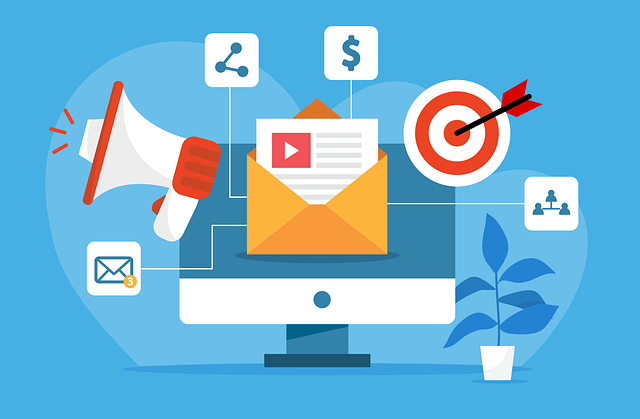
Planning an event can be a tough gig. One of the hardest parts? Making sure people actually show up. I totally get that struggle, especially when you’re trying to spread the word far and wide.
Luckily, while digging for solutions, I stumbled upon something great: event promotion email sequences are a game-changer. This clever approach involves sending out a series of targeted emails to drum up excitement and anticipation for your event.
I found that kicking things off with invitation emails about four weeks ahead gives everyone plenty of time to make plans to attend. My aim is pretty straightforward: help you nail email marketing for any gathering, big or small.
With ready-to-go templates and a clear timeline, you’ve got everything needed right here. So stick around as we dive into some simple steps and examples!
Utilizing Event Email Marketing for Your Upcoming Event
Event email marketing can boost your next event. It helps you connect with your audience effectively and keeps them informed.
The Benefits of Event Email Marketing
Event email marketing brings many benefits for my upcoming events. I can reach a wide audience quickly and effectively. Sending emails helps to inform people and build excitement about the event.
This strategy works well because it allows me to send reminders before, during, and after the event.
Using automated email sequences lets me keep in touch with my audience easily. For example, I can invite them four weeks ahead of time with an invitation email. Following up with confirmation emails or thank you notes builds strong relationships too.
Tracking my email campaigns helps me see what works best for ticket sales and registration rates.
Types of Events That Thrive with Email Marketing
Many types of events thrive with email marketing. Webinars, workshops, and conferences are great examples. These events benefit from clear communication. I often send emails to promote them at least four weeks before the date.
This gives people time to register.
Fundraisers also do well with email outreach campaigns. I can share details about the cause and encourage donations through persuasive emails. Local community events like fairs or festivals gain visibility when marketed through email as well.
People appreciate knowing what’s happening in their area through event marketing emails.
After discussing types of events that work well, it’s important to focus on creating your event email sequence next.
Creating Your Event Email Sequence
Creating your event email sequence is key to success. It helps build excitement and keep everyone informed about your event.
Pre-Event Campaigns
Pre-event campaigns are vital for a successful event promotion email strategy. I send invitations four weeks before the event. This gives people time to plan and register. Each email in the sequence serves a purpose.
I often start with an invitation email that captures attention and invites interest.
Next, reminder emails keep my audience engaged as the date approaches. These emails can help spur excitement about the event. A good pre-event campaign nurtures relationships with attendees while encouraging them to share details with others.
Using templates makes creating these emails easier and more effective.
Invitation Emails
I create invitation emails to kick off my event promotion email sequence. I send these emails about four weeks before the event. This gives people enough time to plan and register.
In my invitations, I share key details like the date, time, and location of the event.
I also include a clear call to action that encourages recipients to sign up or buy tickets. Using engaging subject lines helps grab attention right away. Effective invitation emails can boost interest and drive attendance for my upcoming events through successful event email campaigns.
Reminder Emails
After sending invitation emails, I focus on reminder emails. These are important for keeping the event fresh in people’s minds. I send them about one week before the event starts. This gives my audience enough time to plan.
Reminder emails should clearly state the event details again. They need to include the date, time, and location. A catchy subject line helps grab attention too. I like to keep these messages friendly and fun.
Including a call-to-action is key. This could be a button to register or learn more about the event. It makes it easy for people to act quickly. Tracking how many people open these emails is crucial too! It shows me what works and what needs improvement in my email sequence for event promotion.
During the Event
Moving on from reminder emails, the focus shifts to engaging with attendees during the event. This part of the email sequence is crucial for keeping interest high. I send out confirmation emails right before guests arrive.
It reminds them about key details like time and location.
While the event is happening, I can also share live updates through email. These can include highlights or special announcements. Engaging content keeps everyone excited and informed.
I utilize this opportunity to build connections with my audience as they participate in activities or sessions at the event.
Sending quick thank you notes to speakers or sponsors during breaks fosters good relationships too. This kind of communication adds a personal touch and shows appreciation for their support in making the event great.
Confirmation Emails
Confirmation emails are crucial in my event email marketing strategy. They let attendees know their registration was successful. Sending these emails builds trust with my audience.
It helps them feel excited about the upcoming event.
I usually send confirmation emails right after someone signs up. This shows I value their time and commitment. The email should include key details like the date, time, location, and what to expect at the event.
Adding a call-to-action can also encourage participants to share the information with others.
Next, I will cover post-event follow-ups to keep engaging with my audience effectively.
Post-Event Follow-Ups
Post-event follow-ups are key to staying connected with my audience. These emails help nurture relationships and show appreciation for their attendance. Sending a thank-you email is essential.
I express gratitude for their participation and share highlights from the event. Including photos or links to recordings can keep the excitement going.
I also send survey emails after the event. Gathering feedback helps me understand what worked well and what didn’t. This information guides future events so they can be even better.
Using templates for these emails makes it easier to stay organized and timely in my outreach efforts. Next, I’ll discuss tips for creating effective Event Email Marketing strategies.
Thank You Emails
After sending out post-event follow-ups, my next step is to send Thank You Emails. These emails show gratitude to everyone who attended the event. I want my audience to feel appreciated for their time and support.
Thank You Emails help build strong relationships. They keep people engaged with my brand long after the event is over. In these emails, I include a short note of thanks and any highlights from the event.
This keeps events fresh in their minds and encourages them to attend future events. A well-crafted Thank You Email can boost customer outreach and improve engagement levels in my email marketing strategy.
Survey Emails
Survey emails are a key part of my event promotion email sequence. They help me understand what attendees liked and what I can improve. I send these after the event to gather feedback.
This helps in planning future events better.
Creating survey emails is simple. I ask clear questions about the event experience, speakers, and content. Using templates for these emails saves time and keeps them organized. These surveys also build strong relationships with my audience by showing that their opinions matter.
Examples of Effective Event Emails
Effective event emails can make your event stand out. I will share some examples that show how to engage your audience and boost attendance.
Invitation Email
I craft invitation emails to kick off my event promotion email sequence. A good time to send these emails is four weeks before the event. This gives people enough time to plan or buy tickets.
In the subject line, I include the event name and date. This grabs attention right away.
The body of my invitation email has all important details. I mention what the event is about and why it matters. Clear call-to-action buttons help guide readers on how to register or learn more.
Using automated templates makes this process easier for me. I see strong results when I personalize each email for my audience too, as many thrive on that engagement in my event marketing strategy.
Reminder Email
After sending the invitation email, I focus on reminder emails. These messages help keep the event fresh in people’s minds. Scheduling these emails is key. A good time to send them is one week before and again two days before the event.
This gives enough notice for attendees.
Highlight important details in your reminder emails. Include date, time, and location of the event. Offer a quick summary of what to expect. If there are special guests or activities, make sure to mention them too! I find that clear subject lines catch attention and improve open rates.
Tracking how many people register after sending reminders can show how effective they are for my event marketing strategy.
Thank You Email
A Thank You Email is vital after an event. I send this email to show gratitude to attendees for joining. This helps build strong relationships with my audience. They appreciate the gesture and feel valued.
In the email, I include a personal touch by mentioning specific moments from the event. It makes them feel special and connected to what happened. Sending this email soon after the event keeps engagement high.
Using templates can help in crafting effective Thank You Emails quickly, making it easier for me to connect with my audience again.
Survey Email
I send out a Survey Email after the event. This email helps me gather important feedback from attendees. I ask what they liked and what could be better. Getting this input is key. It shows I care about their opinions.
Using templates for these emails makes it easier to design them. A good survey can improve future events and my email marketing strategy. Tracking responses gives me insights into audience engagement too.
This way, I can create more successful event promotion plans in the future.

Tips for a Successful Event Email Marketing Strategy
Create catchy subject lines to grab attention. Make sure your emails feel personal. Use landing pages to guide readers. Ask your subscribers to share the event with friends. Track how well your emails perform.
Build strong ties with your audience through engaging content. Want more ways to improve your event email strategy? Keep reading!
Crafting Alluring Subject Lines
Subject lines are the first thing people see in their inbox. I need them to grab attention right away. A great subject line can make or break my email’s success. It should be clear and exciting.
I want it to spark curiosity about my event.
Using action words helps me create a sense of urgency. For example, “Join Us for This Amazing Event!” feels more inviting than just “Event Reminder.” With an event promotion email sequence, timing is key too.
Sending invitations four weeks ahead gives enough time for my audience to plan and register. By crafting alluring subject lines, I can boost open rates and get more people interested in attending!
Personalizing Emails
Personalizing emails makes a big difference. It helps me connect with my audience. Using names in email greetings is a simple way to start. I can also add personal notes based on their past interactions or preferences.
This shows that I care about them as individuals.
A targeted outreach campaign, known as an event cold email sequence, works well when it feels personal. By tailoring messages, I can capture attention and drive more registrations for my event.
Personalization creates stronger relationships and encourages recipients to engage with my content better. Let’s explore effective examples of event emails next.
Utilizing Landing Pages
I can create effective landing pages for my event promotion email sequence. Landing pages help gather information about who is interested in my event. They serve as a dedicated space where I can share details and encourage sign-ups.
Using landing pages in my email marketing plan will support my goal. A good landing page includes clear messages about the event, like date, time, and location. It should also have a simple form for visitors to register or buy tickets.
I can track how many people visit the page and how many sign up using tools provided by email marketing software. This way, I know what works best in promoting my events effectively.
Asking Subscribers to Share
Asking subscribers to share your event can boost attendance. I often include a simple request in my emails. A clear call-to-action works best. I tell my audience to forward the email to friends or post about it on social media.
Sharing helps create buzz and excitement around the event. It expands my reach beyond just one network. People trust their friends, so personal recommendations matter. By building these connections, I grow relationships with my audience.
Next, let’s explore examples of effective event emails that engage and inform audiences well.
Tracking Event Marketing Numbers
Tracking event marketing numbers is key for a successful strategy. I can see how well my emails perform by looking at open rates and click-through rates. Keeping an eye on these numbers tells me what works and what doesn’t.
I like to use templates for tracking my results. They help me stay organized and make sense of the data. Having clear stats allows me to improve my email promotion plan for future events.
Building strong relationships with my audience becomes easier when I know what they respond to best. An effective email sequence can boost registrations or ticket sales, so it’s wise to track those details closely.
Building Strong Relationships with Your Audience
Building strong relationships with my audience is key in event promotion. I send emails that connect and engage them. Automated email sequences help me stay in touch before, during, and after the event.
These emails show my audience that I care about their experience.
I use personalized messages to build trust. Sharing valuable content keeps them informed and excited about the event. Sending thank you emails after the event is essential. It shows appreciation for their attendance.
Survey emails allow me to gather feedback, helping improve future events while keeping a connection alive.
New post: Email Marketing Vs Social marketing – Which performs Better?
