
How to Personalize Your Email Campaigns for Better Results

Struggling to make your emails pop in a crowded inbox? I know the feeling all too well. It’s tough out there, with everyone fighting for a slice of attention. But here’s a little secret: personalized emails are like gold in the clutter.
They boost conversion rates by a whopping 26%.
After diving deep into research and running my own experiments, I’ve gathered some game-changing tactics for spicing up email campaigns. This guide is packed with strategies to ramp up engagement and drive sales by tailoring your approach.
You’ll find out how really knowing your audience can revolutionize your email game. Stick around to discover the art of personalization that wins every time.
Key Takeaways
- Personalized emails can boost conversion rates by 26%. Using data like names and locations makes messages more relevant.
- Tactics such as segmenting email lists, using dynamic content, and implementing VIP loyalty programs enhance engagement. Each email feels special to the recipient.
- DAVIDsTEA and Meetup successfully use personalization in their campaigns. They tailor emails based on customer data for better connections.
- Gathering accurate customer data is key for effective personalization. It helps create emails that resonate with each individual’s interests.
- Testing different personalization strategies helps find what works best. Tracking results leads to improvements in click-through rates and conversions.
Understanding Email Personalization
Email personalization means creating messages that resonate with individual recipients. This practice boosts engagement and improves conversion rates in email marketing.
Definition
Personalized email marketing means making each message relevant to the individual receiving it. I gather data, like names and locations, from my email list to customize messages effectively.
With this approach, campaigns become more engaging. Personalized emails can deliver 26% higher conversion rates, according to Experian. This shows that a tailored experience improves results in email marketing.
I focus on creating content that resonates with recipients and drives them to take action. Relevance plays a crucial role here; it leads to increased click-through rates and better customer data collection.
The right tactics help me craft dynamic experiences, ensuring people feel valued when they receive my emails.
Personalization in email marketing can lead to increased engagement and customer loyalty.
Importance of personalization
Moving from understanding email personalization, I see its significance clearly. Personalized emails can drive 26% higher conversion rates, as noted by Experian. They resonate with recipients and lead to better results in campaigns.
Each email becomes more relevant when tailored to a specific person based on data like names and locations. This relevance creates stronger connections.
I also find that personalization boosts engagement and customer loyalty. Emails that reflect the unique interests of individual subscribers improve click-through rates significantly.
Using personalized subject lines enhances this effect even further. It makes a real difference in creating impactful experiences for readers. Effective email personalization strategies make my marketing efforts stand out and yield positive outcomes.

Basic Email Personalization Tactics
Personalizing your subject lines grabs the reader’s attention right away. Using the recipient’s name makes your emails feel more relevant and engaging.
Personalizing subject lines
Effective subject lines can greatly impact email engagement. I focus on personalizing them to grab my audience’s attention. Personalized emails deliver 26% higher conversion rates, according to Experian.
Including the recipient’s name in the subject line makes it feel more relevant and inviting. This simple tactic increases click-through rates significantly.
Using location data also helps tailor these messages further. If I mention a specific city or event happening nearby, recipients are more likely to connect with the content. The goal is to make every email feel special and unique for each person.
Next, I’ll explore dynamic content offers that enhance personalization even further.
Using the recipient’s name
Using the recipient’s name in emails creates a personal touch. This simple tactic can boost engagement. Personalized email campaigns resonate better with recipients, leading to higher conversion rates.
Studies show that these emails can deliver 26% more conversions according to Experian.
I find that addressing someone by their name makes the message feel tailored to them. It grabs attention and makes the reader feel valued. Incorporating names into subject lines or opening sentences enhances the impact of my email marketing strategies.
This approach helps ensure I connect effectively with my target audience and improves overall campaign performance.
Segmenting email lists
I focus on segmenting email lists to enhance engagement. By dividing my audience based on interests or demographics, I create more targeted email marketing. This approach means every recipient receives emails that truly speak to them.
Personalized email campaigns can lead to higher conversion rates. In fact, Experian states that they deliver 26% better results than non-personalized ones. Using relevant data such as names and locations stored in my list allows me to craft customized marketing emails for each segment.
This strategy significantly increases click-through rates and helps gather valuable customer data, boosting overall effectiveness in my campaigns.
Medium Sophistication Email Personalization Tactics
Medium sophistication email personalization tactics add depth to your campaigns. You can use dynamic content offers and re-engagement strategies to connect with your audience effectively.
Dynamic content offers
Dynamic content offers bring a new level of personalization to my email campaigns. These offers change based on the recipient’s data, such as their interests or previous actions. This strategy captures attention and encourages engagement.
By tailoring content to individuals, I can increase click-through rates significantly. Personalized emails resonate with customers, leading to better conversion rates.
I have seen that personalized email campaigns achieve 26% higher conversion rates, according to Experian. Every piece of information I gather helps in creating these dynamic experiences.
Crafting relevant and timely content is essential for success in this area. Next, let’s explore how re-engagement strategies can boost your email marketing efforts further.
Re-engagement strategies
Re-engagement strategies keep customers interested. I use these tactics to reach out to users who haven’t interacted with my emails in a while. Personalized email campaigns help draw them back in by showing that I care about their needs.
I often create tailored content based on previous interactions. This could include special offers or reminders of products they viewed but didn’t purchase. According to Experian, personalized emails can deliver 26% higher conversion rates, so using these strategies is crucial for improving email engagement and boosting sales.
Advanced Sophistication Email Personalization Tactics
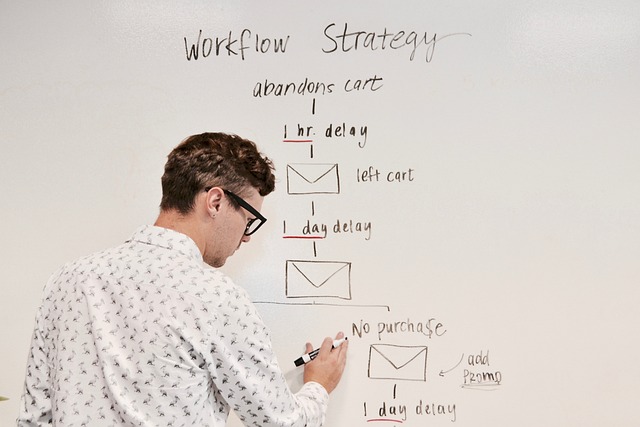
Advanced personalization tactics can significantly boost your email campaigns. VIP loyalty programs reward loyal customers, while purchase abandonment reminders encourage potential buyers to complete their transactions.
VIP loyalty programs
VIP loyalty programs can significantly enhance email engagement and increase conversion rates. I focus on creating perks for loyal customers. These programs reward repeat buyers with special discounts, exclusive products, or early access to new items.
According to Experian, personalized emails can deliver 26% higher conversion rates. By targeting my VIP members with tailored email content, I foster a sense of belonging and appreciation.
This strategy also boosts customer retention and loyalty.
Crafting reminders for purchase abandonment proves valuable too. Personalized emails that remind customers about items left in their cart create urgency and encourage them to complete their purchases.
Each interaction builds a stronger relationship between the brand and its customers, promoting long-term loyalty among all segments of my audience looking for better results from their campaigns.
Next, I will discuss how to gather data effectively for personalization in email marketing strategies.
Purchase abandonment reminders
Purchase abandonment reminders play a crucial role in personalized email marketing. I often see how effective these reminders can be in boosting conversion rates. Customers may add items to their cart but leave the site without completing the purchase.
Personalized emails that remind them of these products can capture their attention and encourage action.
These messages usually include product images, descriptions, or even discounts to entice buyers back. According to Experian, personalized emails can deliver 26% higher conversion rates.
This tactic not only increases click-through rates but also helps collect valuable customer data for future campaigns. Next, I will explore behavioral segmentation and how it enhances email engagement techniques.
Behavioral segmentation
Behavioral segmentation focuses on how customers interact with my emails. I analyze their past behaviors, such as buying habits and engagement levels. This approach allows me to tailor my email campaigns more effectively.
Personalized email marketing tactics can significantly boost customer loyalty and engagement.
Using behavioral data helps me understand what content resonates with recipients. This strategy can lead to enhanced email engagement and increased click-through rates. By crafting relevant messages based on actions, I improve overall conversion rates.
Personalization makes each interaction feel unique and valuable for the recipient.
Gathering Data for Personalization
To personalize your emails effectively, collect relevant customer data from various sources. Use this information wisely to craft messages that resonate with each recipient. Data analysis can reveal valuable insights about shopping behavior and preferences.
Interested in learning more strategies for effective personalization?
Using customer data
Customer data plays a crucial role in email campaign customization. I collect names and locations from my email list to make messages more personal. Personalization can increase conversion rates by 26%, according to Experian.
The more relevant my emails are, the higher the chances of engaging recipients.
Tracking user behavior helps me tailor content effectively. Leveraging this data allows me to create individualized email communication that resonates with each recipient’s interests.
This strategy not only enhances click-through rates but also improves customer loyalty over time. Effective use of customer data truly transforms how I approach personalized email marketing best practices.
Leveraging marketing automation
Marketing automation greatly enhances my email campaigns. It allows me to send personalized emails based on customer data. I gather names and locations stored in my email list, making each message more relevant to the recipient.
This strategy increases engagement and improves email conversion rates.
With automation, I can set up dynamic content offers that adapt in real-time. For example, if a customer browses certain products but does not purchase them, an automated reminder can nudge them back to those items.
This approach leads to better results by driving conversions and sales while fostering customer loyalty through timely interactions. Now let’s explore real-life examples of effective personalized emails next.
Real-Life Examples of Effective Personalized Emails
Effective personalized emails can significantly boost engagement. Companies like DAVIDsTEA and Meetup show how to use customer insights. They tailor messages that resonate with their audiences.
Their strategies lead to increased conversions and stronger connections. You should explore these examples for inspiration in your own campaigns.
DAVIDsTEA
DAVIDsTEA exemplifies effective email personalization. This tea retailer uses customer data to create customized email campaigns. By addressing customers by name and tailoring content based on preferences, they engage recipients more effectively.
Personalized emails from DAVIDsTEA have shown to resonate well with their audience.
Experian notes that personalized emails can provide 26% higher conversion rates. I noticed how DAVIDsTEA benefited from this fact, leading to increased sales and customer loyalty. They use dynamic content offers in their campaigns, making each message feel relevant and timely for the recipient.
As a result, they drive better engagement through enhanced email experiences.
Meetup
Meetup uses email personalization effectively to engage its users. Personalized emails can boost conversion rates by 26%, so Meetup capitalizes on this strategy. They send customized messages based on user interests and locations, ensuring relevance for each recipient.
This approach leads to increased click-through rates and improved customer data collection.
By creating dynamic experiences through tailored content, Meetup fosters better engagement and loyalty among its members. Personalization plays a crucial role in their campaign strategy, showcasing the significance of understanding audience preferences for enhanced email engagement techniques.
Best Practices for Email Personalization
To create effective email campaigns, I focus on knowing my audience well and testing various strategies to see what resonates best. Want to explore more about personalizing your emails?
Know your audience
I focus on understanding my audience. Knowing my audience helps me create customized email messages that truly resonate. Personalized emails can deliver 26% higher conversion rates, according to Experian.
I pay attention to the data in my email list, such as names and locations. This information allows me to engage recipients effectively.
Crafting tailored content increases click-through rates and builds customer loyalty. I aim for relevance and timeliness in each message. By segmenting my audience based on their preferences, I can enhance every interaction with them.
With this foundation laid, I move on to basic email personalization tactics next.
Test and track results
Testing and tracking results allows me to understand what works in my email campaigns. I analyze how personalized emails perform compared to standard ones. According to Experian, personalized emails can deliver 26% higher conversion rates.
This statistic motivates me to refine my strategies.
I use A/B testing for different subject lines and content types. Tracking engagement helps identify which messages resonate more with recipients. Personalized email campaigns drive better click-through rates and improve customer data collection.
By focusing on relevance and timing, I create dynamic experiences that foster loyalty among customers.
Conclusion
Email personalization can significantly boost your campaign’s effectiveness. I see how relevant content engages recipients. Using names and personal data increases the likelihood of conversions.
Testing different strategies will lead to better results over time. My goal is always to create an impactful experience that resonates with each reader.
Next read about the 7 main mistakes of email marketing >>
FAQs
1. What are the steps to personalize email campaigns for better results?
To get better results, start by segmenting your customers. Then use best practices in email personalization and test different versions with AB testing.
2. How can I improve my email conversion rates through personalization?
Improving email conversion rates is possible by using customer segmentation and personalized content that resonates with each group’s interests.
3. What are some of the best practices in email personalization?
Email personalization best practices include using recipient names, tailoring content based on customer segmentation, and continually refining strategies through AB testing.
4. Can AB testing help in improving the performance of personalized emails?
Yes, AB testing helps identify which version of a personalized message performs better, leading to improved effectiveness of your overall campaign.
